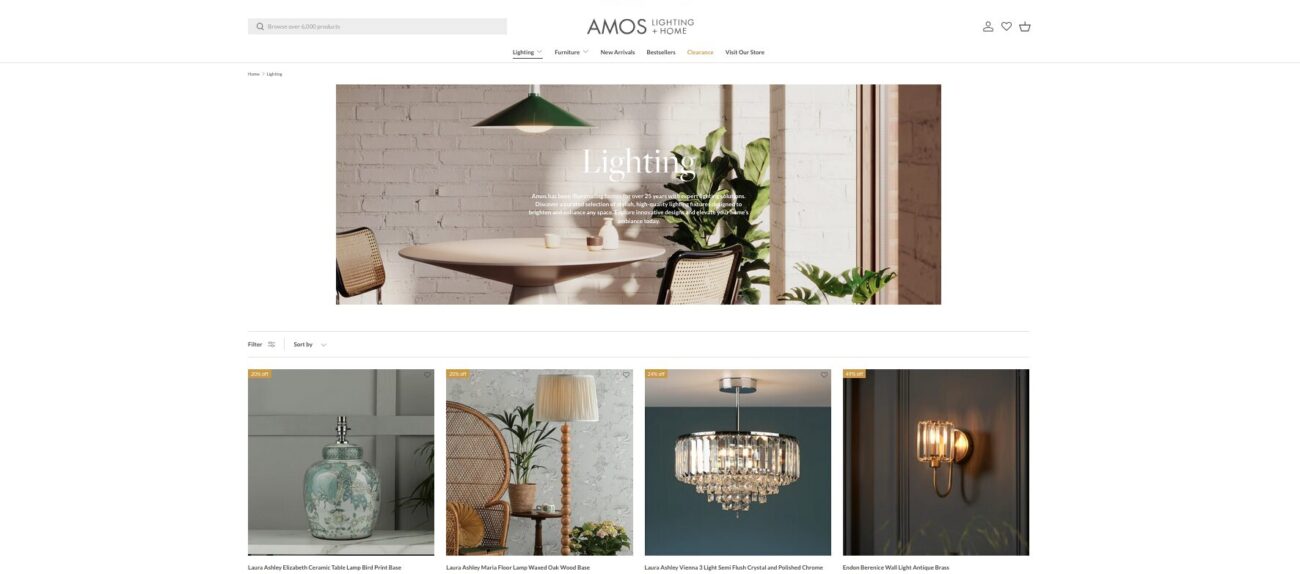
E-commerce website design in Exeter: building a stronger online store through strategic design.
20/03/2026
An e-commerce website should do more than display products.
To see how these strategic elements come together, it can be helpful to explore Strategia di Marketing options from different creative studios.
It should help customers find what they need quickly, trust the business, understand the offer and complete a purchase without friction. If any of those things break down, the site may still look polished but it will underperform commercially.
That is why e-commerce website design matters.
Baymard Institute’s long-running research on cart and checkout usability says the average documented online cart abandonment rate is 70.19%. That does not mean every abandoned basket can be recovered, but it does underline how much revenue can be lost when the shopping experience feels unclear, slow or frustrating.
For businesses in Exeter and across Devon, a stronger e-commerce site usually comes from joining up brand, user experience, technical performance and content rather than treating them as separate tasks.
If you are reviewing your online shop, the key question is not only whether it looks better than before. It is whether it makes buying easier.
What good e-commerce design actually needs to do
A successful e-commerce site needs to balance several things at once:
- clear product presentation
- strong brand trust
- intuitive navigation
- fast, mobile-friendly performance
- a smooth checkout process
- search visibility
- a structure that can scale over time
Google’s guidance for e-commerce sites makes this clear. It recommends making product and site structure easy for Google to understand, using structured data where relevant, and designing a navigation and URL structure that supports both users and search engines.
That means e-commerce design is not just about visuals. It is about reducing friction at every stage of the customer journey.
Why strategy matters more than a template
Templates can be useful, but they often become limiting when a business needs the website to reflect a stronger brand, a more considered user journey or more specific operational needs.
A good e-commerce site should reflect:
- the quality of the brand
- the way customers actually shop
- the business’s fulfilment and stock processes
- the products’ position in the market
- the level of trust needed to secure the sale
That is why strategy matters. Before choosing layouts, colours or platform features, it helps to be clear about:
- who the customer is
- what they need to feel confident enough to buy
- what is slowing them down
- what makes the business different
- how the site should support future growth
This same thinking connects closely to our branding services, web design, graphic design and digital marketing support.
Why brand identity affects online sales
In e-commerce, design is part of the sales process.
A weak or inconsistent brand can make a site feel less trustworthy. Product pages may be technically correct but still feel generic. If the photography, copy, layout and tone do not work together, it becomes harder for customers to feel confident in the purchase.
A stronger brand identity can help with:
- clearer product positioning
- more confidence in pricing
- better consistency across product pages, email and social
- a more memorable customer experience
- stronger repeat recognition
This is especially important for Devon businesses selling beyond their immediate area. The website often acts as the first real impression of the business, so the brand and the user experience need to work together.
Technical foundations still matter
Even the best-looking shop will struggle if the technical setup is weak.
Google’s documentation for e-commerce sites highlights the importance of structured data, site structure, pagination and product information. It also recommends a strong page experience, including good Core Web Vitals, secure delivery and pages that work well on mobile devices.
For an online shop, that usually means paying attention to:
- mobile-first usability
- page speed
- secure checkout
- clear product URLs and categories
- accurate product information
- stock and availability signals
- structured product data where relevant
Google also notes that adding product structured data can help product information appear more richly in search, including price, availability, shipping information and reviews.
In simple terms, technical performance is not separate from design. It is part of the customer experience.
Our E.D.G.E approach to e-commerce projects
At D2 Creative, we use our E.D.G.E principle to bring more structure to e-commerce design.
Explore
We begin by understanding the business, audience, product offer and current site performance. This may include reviewing analytics, identifying friction points, looking at competitors and understanding fulfilment or operational needs.
Define
Next, we shape the brief. We agree what the website needs to do, what the brand should communicate more clearly and what commercial goals the new build should support.
Generate
This is where the site structure, user journey, visual design and supporting content take shape. Depending on the project, that may include wireframes, content hierarchy, product templates, creative assets and development planning.
Evaluate
Once the site is live, we review how it performs against the original goals. That may involve looking at product-page performance, checkout behaviour, page speed, navigation issues or general user experience.
This helps keep the project grounded in real outcomes rather than subjective preferences.
You can read more about this thinking in our process or browse recent work.
Choosing the right platform
The right e-commerce platform depends on the business.
For some brands, a hosted solution such as Shopify makes sense because it offers speed, stability and a strong ecosystem. For others, WooCommerce or a more bespoke setup may be the better fit because of flexibility, content requirements or integration needs.
The important thing is that platform selection should be treated as a commercial decision, not just a technical one. It needs to support:
- stock management
- ease of use for the team
- future growth
- third-party integrations
- design flexibility
- search visibility
That decision works best when it is shaped by a proper brief rather than chosen in isolation.
Why local partnership can still help
For Devon businesses, there is often an advantage in working with a team that understands the local market and can collaborate directly.
That is not because local agencies are always better by default, but because e-commerce projects often benefit from more direct conversations around products, positioning, fulfilment and customer expectations. Face-to-face workshops can help uncover details that are easy to miss in a more distant or purely transactional setup.
For many businesses, that local understanding helps create a site that feels more grounded and more commercially realistic.
What to look for in an e-commerce design partner
If you are choosing a partner for an online shop project, it helps to ask:
- how do you begin an e-commerce project?
- how do you connect brand and user experience?
- what platform do you recommend and why?
- how do you approach SEO and product structure?
- what happens after launch?
- how do you review and improve performance over time?
A good e-commerce partner should be able to explain its thinking clearly. It should also understand that launch is not the end of the job.
Why internal links matter on your own site
For e-commerce and content pages alike, internal links are useful for both readers and search engines.
Google recommends crawlable links and meaningful site structure so that content can be discovered and understood more easily. It also provides specific guidance on helping Google understand e-commerce site structure and pagination.
For this article, useful internal links could include:
- branding services
- web design
- graphic design
- digital marketing
- our process
- our work or case studies
- a related blog post about SEO services in Exeter
- a related blog post about why design process matters
Final thought
A strong e-commerce website should not simply look more polished than the last one.
It should make buying easier, reflect the quality of the brand, support search visibility and create a smoother customer journey from landing page to checkout. That takes more than a template and more than attractive visuals. It takes a more joined-up approach to strategy, design, content and technical performance.
At D2 Creative, we use our E.D.G.E principle to help businesses create e-commerce sites that are clearer, more consistent and better equipped for growth.
If you are reviewing your online shop and want a more strategic approach, we would be happy to talk.
D2 Creative helps Devon businesses create e-commerce websites that combine stronger branding, better user experience and clearer digital performance.