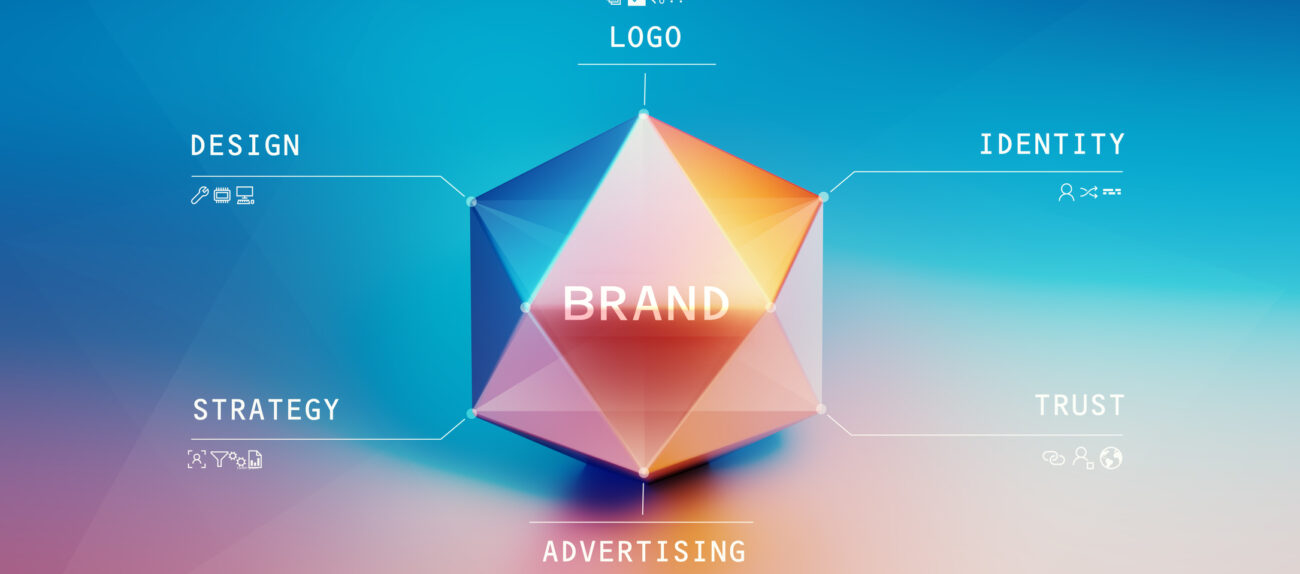
Graphic Design Exeter: Elevating Brands with Strategic Visual Communication
12/03/2026
Graphic design should do more than make a business look better.
For businesses in Exeter, good graphic design helps explain who you are, build trust, improve consistency and support the way people experience your brand across print and digital channels. It is not just about producing attractive assets. It is about helping your business communicate clearly and professionally.
That is why graphic design works best when it is treated as part of a wider business strategy. A logo, brochure, report, website graphic or social media template should not exist in isolation. Each piece should support the same brand story and help make the business easier to recognise and easier to trust.
What graphic design actually does
Graphic design is a form of visual communication.
Graphic design is defined as professionals who create visual concepts to communicate ideas that inspire, inform and captivate consumers. That is a useful description because it gets to the real point: design is there to communicate, not simply decorate.
For businesses in Exeter, that communication might take many forms:
- a stronger visual identity
- clearer brochures and printed materials
- more consistent presentations and reports
- more effective signage and exhibition graphics
- better digital assets for websites, email and social media
When those elements are aligned, a business usually appears more professional, more considered and more credible.
Why graphic design matters for Exeter businesses
Exeter is home to a wide mix of organisations, from professional services and independent retailers to tech, education, health and research-led businesses. In that kind of environment, design plays an important role in how a business is perceived.
Good design helps answer a few key questions quickly:
- who are you?
- what do you do?
- why should someone trust you?
- what makes you different?
That matters because people often form an impression of a business before they speak to anyone. Design influences that impression.
From one-off design to a joined-up visual identity
Many businesses end up with fragmented design over time.
A logo may have been created years ago. Presentation templates may have been built separately. Printed materials may have been designed by different suppliers. Social media graphics may have evolved in another direction again. Eventually, the brand starts to feel inconsistent.
That is usually when a business begins to feel less clear and less confident in the market.
A more strategic approach to graphic design helps bring those pieces together. Rather than producing isolated assets, it creates a visual system that works across all the places your business appears.
Our E.D.G.E approach to graphic design
At D2 Creative, we use our E.D.G.E principle to keep graphic design projects clear and commercially grounded.
Explore
We begin by understanding the business, audience, sector and current challenges. This may involve reviewing existing materials, identifying inconsistencies and understanding how the brand is currently perceived.
Define
Next, we agree what the work needs to achieve. That might be stronger consistency, better presentation, clearer communication, improved credibility or a more confident brand identity.
Generate
This is where the creative work takes shape. Depending on the project, that may include visual identity development, print design, digital assets, layouts, infographics or presentation materials.
Evaluate
Finally, we review the outcome against the original objective. Does the work communicate clearly? Does it feel consistent? Does it support the wider direction of the brand? This stage helps keep the work useful rather than purely subjective.
What graphic design assets are most useful for modern businesses?
The right design assets depend on the business, but there are some common areas where strong design makes a noticeable difference.
Brand identity
This goes beyond a logo. It includes typography, colour, style, layout principles and the visual rules that help a brand stay consistent.
Digital assets
These may include website graphics, social templates, downloadable resources, email headers, presentation decks or campaign visuals.
Print materials
Brochures, reports, leaflets, stationery, packaging and signage still matter, especially when they support a more premium or professional brand experience.
Visual systems
Templates, guidelines and repeatable design tools help internal teams stay consistent over time.
Why consistency matters
Consistency is one of the simplest ways to make a business feel more established.
When visuals shift dramatically from one touchpoint to another, the brand can feel less reliable. A consistent design system reduces that friction. It helps people recognise the business more easily and gives internal teams a clearer framework to work within.
This also supports long-term efficiency. Instead of redesigning everything from scratch each time, the business works from a more stable visual foundation.
Design as a business asset
Good design is not only about immediate appearance. It can also support longer-term business value.
The Design Council’s Designing Demand programme found that for every £1 businesses invested in design, they could expect over £20 in increased revenues, alongside improvements in operating profit and exports. That does not mean every brochure or logo can be measured in isolation, but it does underline a wider truth: design tends to be most valuable when it is used strategically.
That is the difference between treating design as decoration and treating it as part of the commercial infrastructure of the business.
What to look for in a graphic design partner
If you are choosing a graphic design agency or studio in Exeter, it is worth asking:
- How do you begin a project?
- How do you connect design work to business goals?
- Can you help with both print and digital assets?
- How do you maintain consistency across different outputs?
- Do you provide guidance or templates for future use?
A good design partner should be able to explain its process clearly and show that it is thinking beyond individual visuals.
Final thought
Graphic design in Exeter should do more than make a brand look polished. It should help businesses communicate more clearly, appear more credible and create a more consistent experience across every touchpoint.
At D2 Creative, we use graphic design as part of a wider strategic process, helping businesses turn visual communication into something more useful, more confident and more commercially grounded.
If your brand materials no longer feel joined up, or if your business has outgrown the way it presents itself, it may be time to take a more strategic approach.
D2 Creative helps Exeter businesses use graphic design to create clearer brands, stronger communications and more consistent digital and print experiences.